Strategic1
organize

A traditional newspaper publisher fears that print will disappear, replaced entirely by digital content. A high-street retail chain worries its physical shops may close, overtaken by e-commerce.

That’s a lot to navigate. That’s a lot to plan for. And the prospect of implementing meaningful change can feel daunting.

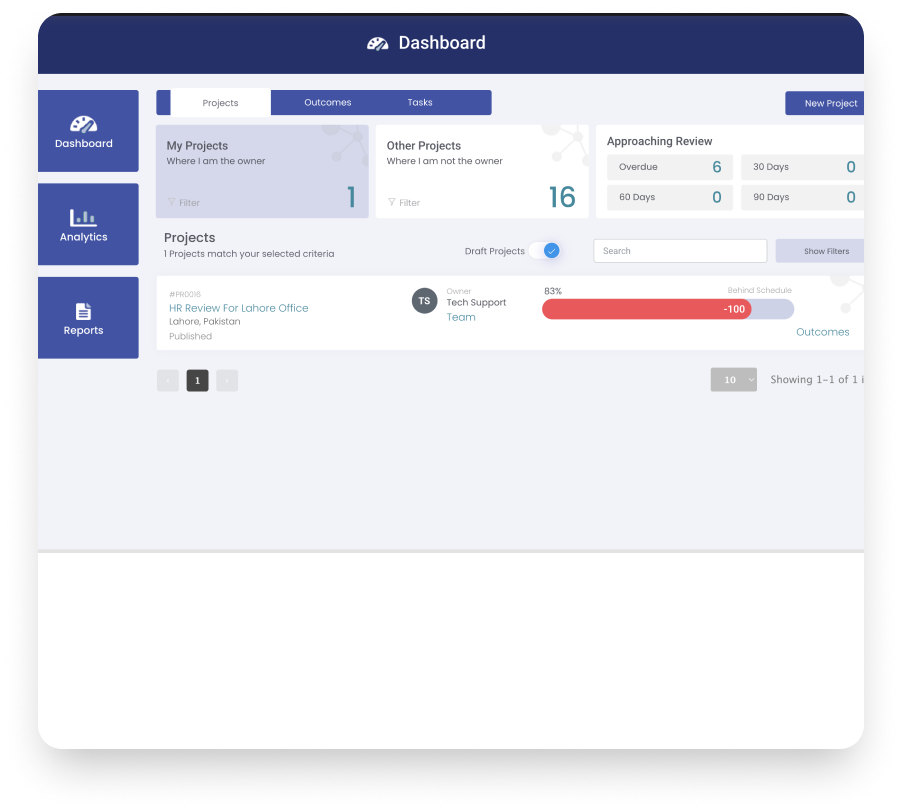
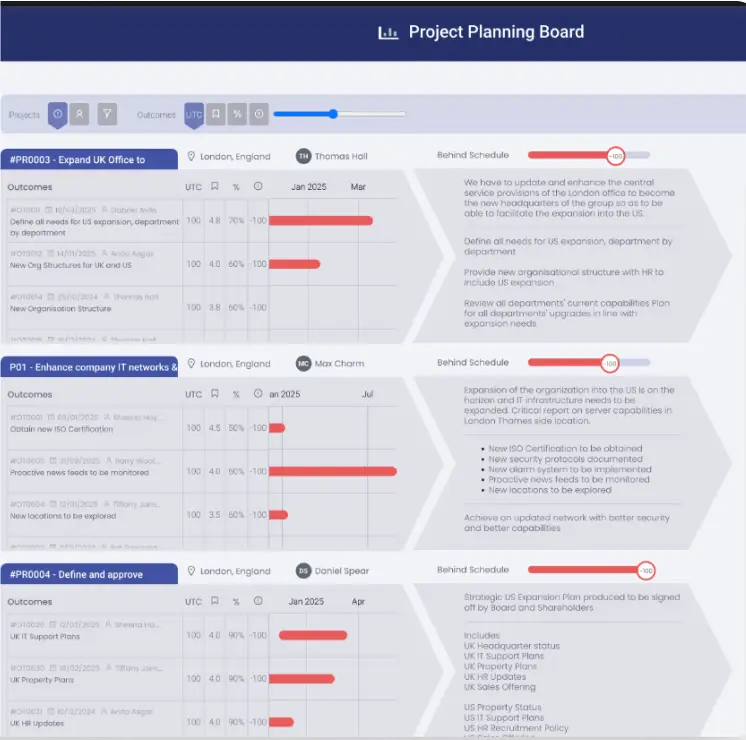
You can approach this organically—feeling your way through each project using experience and guesswork—or you can plan it properly using a sophisticated strategic planning tool. The right tool helps eliminate mistakes and overlaps, makes it easier to see how to get from A to B, and allows you to assess the return on investment for each outcome before deciding to proceed.

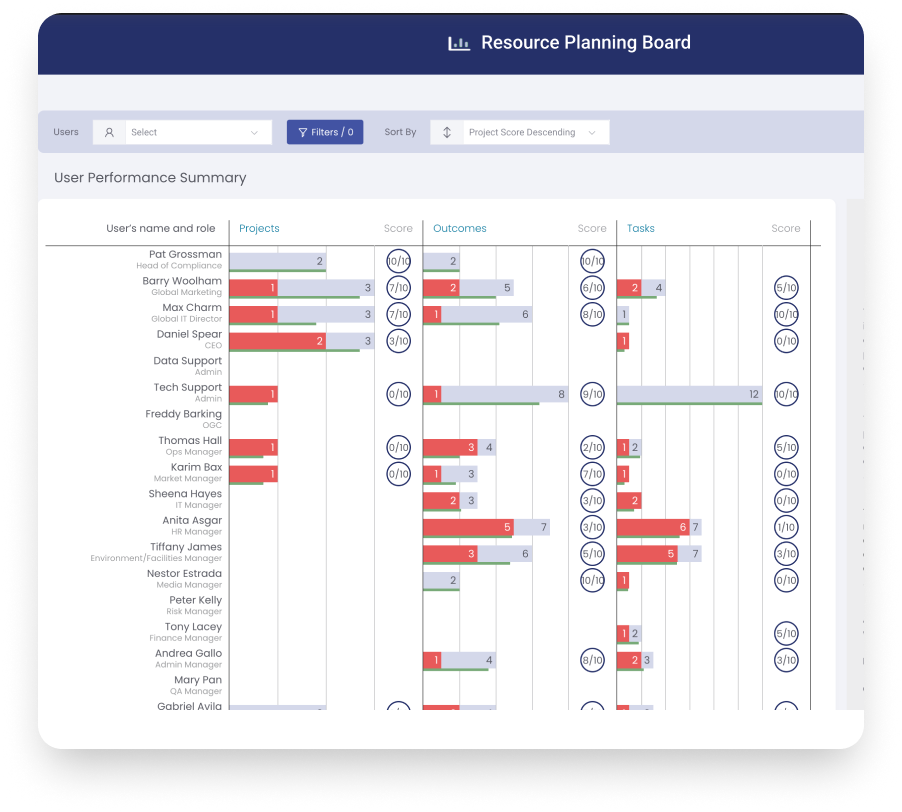
At a practical level, we’ve underpinned the architecture with mathematics, so you can assign figures to individual projects, see who is responsible for what, and track whether work is ahead of or behind schedule. We’ve also partnered with a specialist company to give strategic planning advice to an enterprise or government department that needs it.

For more help with achieving your long-term vision or goals, give us a heads-up by using the “Getting in Touch” button.


FAQs

How does Organize differ from a standard project management tool?

While project management tools track tasks, Organize tracks strategy. It focuses on the “why” and “should we,” linking every individual project to a specific strategic goal and calculating its value relative to the organization’s long-term vision. It is currently a standalone product sold on a subscription basis.

We think you already know why you are missing your goals – it is organic growth towards a fuzzy endpoint or vision. What Organize does is make you commit your endpoint to paper (today, it’s digital paper). State your mission, state your vision, and give both a purpose. What are the company values that must be upheld during the process? Define your project(s), set a completion date, and finally assign people to projects and tasks. Once done, we measure performance against a bunch of statistics on analytics panels, which makes the transformation from A to B linear rather than the ups and downs of Snakes and Ladders. (Chutes and Ladders if you are in the US) typifying organic and ill-disciplined growth.

Absolutely. Ghost Digital has designed architecture to oversee complex, multi-layered environments. We also partner with specialist strategic planning advisors specifically for large-scale government or enterprise-level implementations.

Organize assigns clear ownership to individual projects. At any given moment, the leadership team can see who is responsible for each strategic pillar and the current health of each initiative through real-time data panels.

Not yet, but it’s an interesting question and idea.  Creating a strategic plan to achieve a long-term goal or mission carries significant risks along the way. These risks can be mitigated, and so it makes sense to have a slimmed-down version of Mitigate that is an add-on module to Organize. We would not do this in isolation; we would develop it with an end-user client who wanted both. Of course, there would be beta pricing for both, after all we would need to do the integration work to complete the project.

“Over-arching everything, our strategic planning software ensures that with multiple projects handled by many people, everyone is pointing in the same direction with a common vision and a common goal”

Tim Walton

Ghost Digital & Data – Chair